Ledger nano: Setup, Troubleshooting, and Safety Guide
Ledger nano Is a Practical Hardware Wallet Guide
Ledger nano Is a hardware wallet family used to store cryptocurrency private keys offline, approve transactions on a physical device, and reduce exposure to malware on phones or computers. It is not a bank account, exchange, or guarantee against loss. A Ledger nano can be useful when it is bought from a trusted source, initialized carefully, backed up with a recovery phrase, and used with current official software.
Ledger nano devices are best understood as signing tools. Your coins do not live inside the device; they remain on their respective blockchains. The device protects the private keys that authorize movement of those coins. That distinction matters because a lost device can often be replaced if the recovery phrase is safe, while a leaked recovery phrase can let someone else take control of the assets.
Ledger nano is commonly searched by people who want a simple answer before they move funds: what it does, how setup works, why transactions can fail, and how to stay safe. The practical answer is that a hardware wallet adds a strong layer of protection, but only when the owner treats the recovery phrase, device screen, software source, and receiving addresses with discipline.
What is Ledger nano?
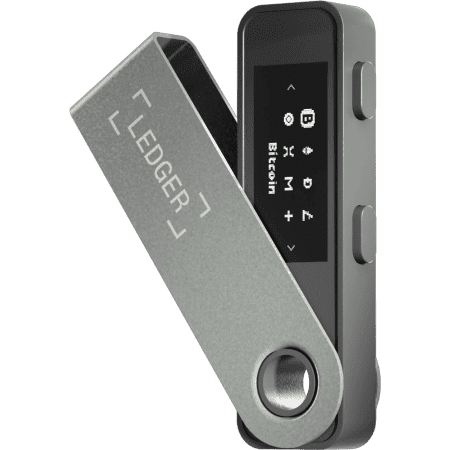
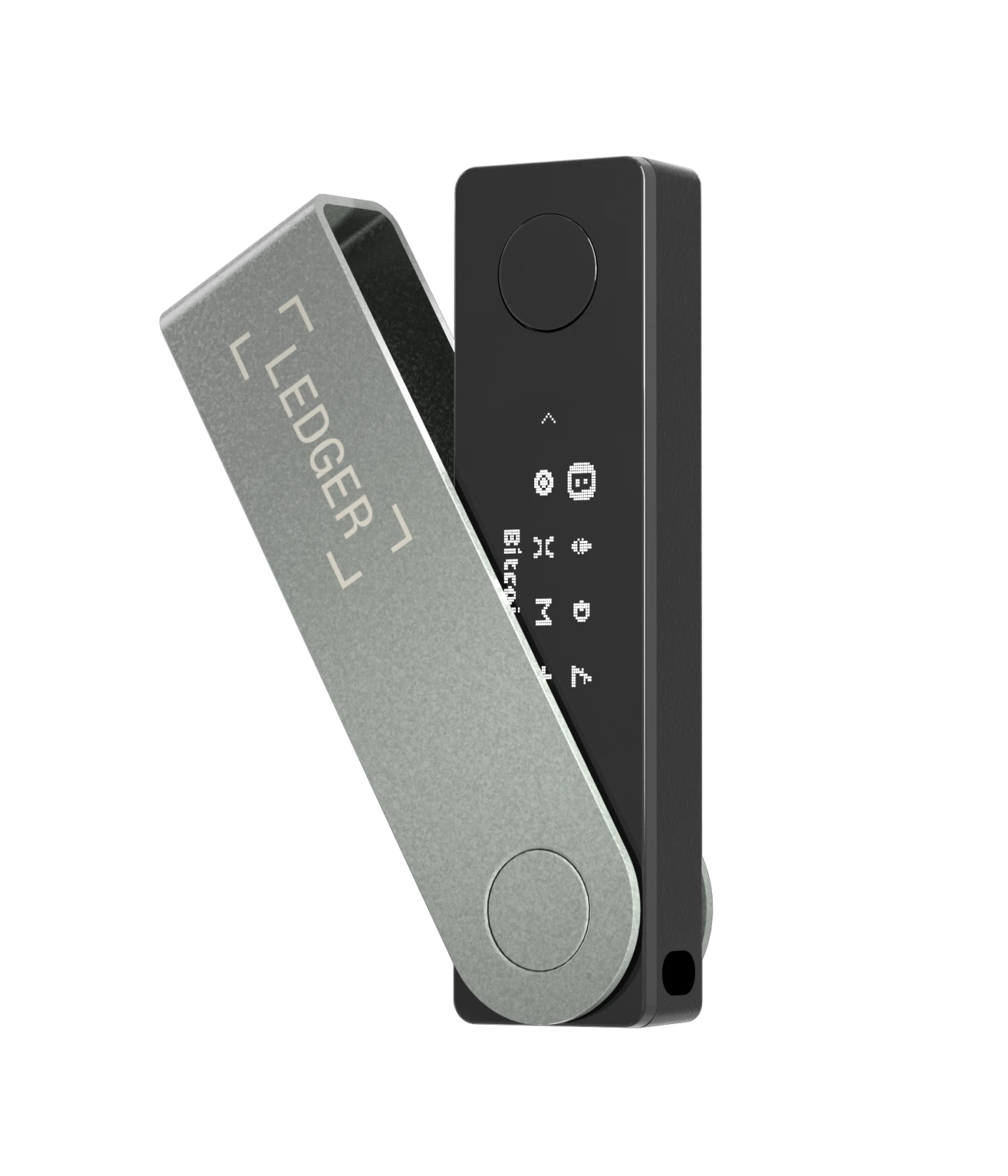
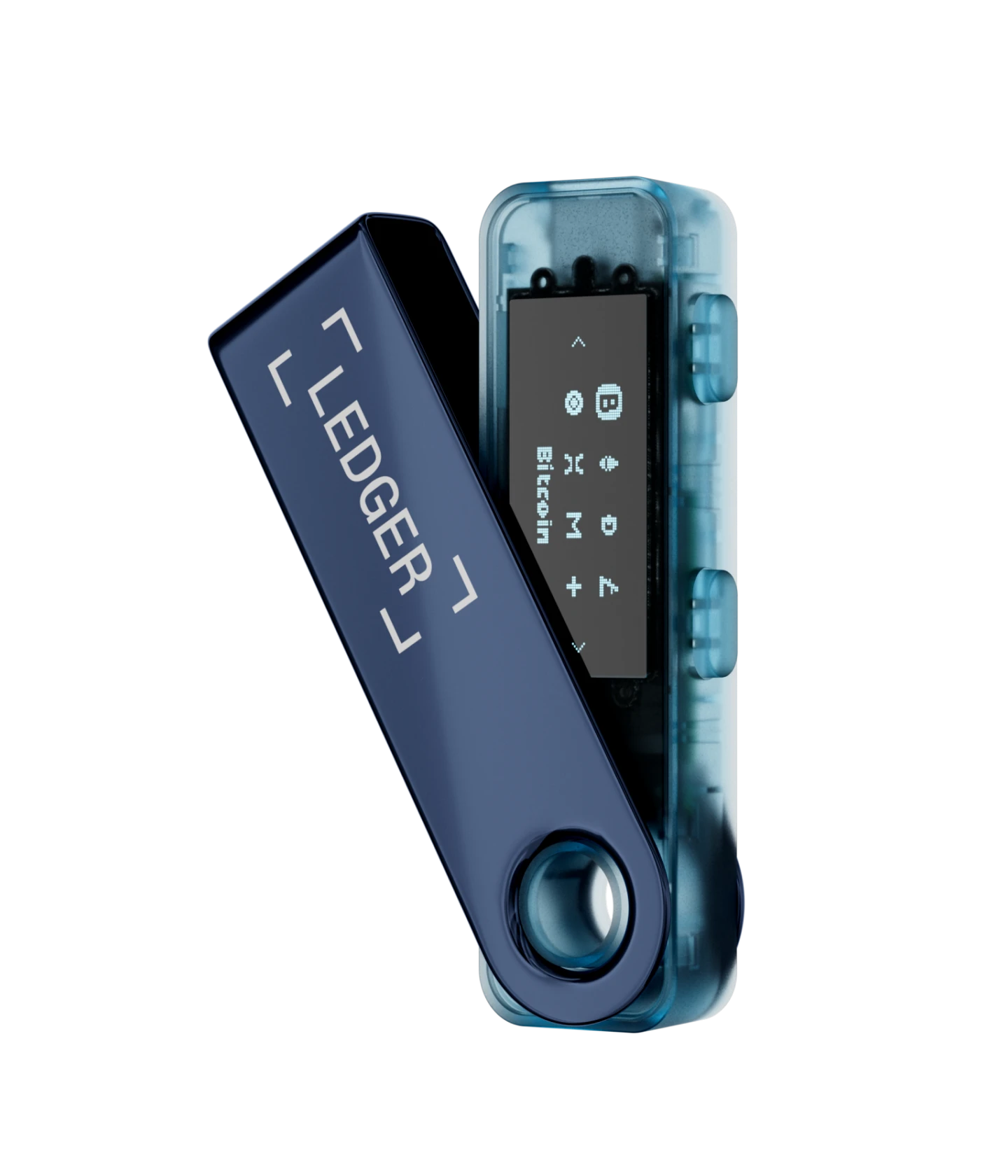
Ledger nano refers to Ledger's small hardware wallet devices, including well-known models such as Ledger Nano S, Ledger Nano S Plus, and Ledger Nano X. These devices are designed to isolate private keys from the everyday computer or phone used to manage accounts. A user can view balances in wallet software, but sensitive signing happens inside the device after physical confirmation.
Ledger nano is usually paired with Ledger Live, a desktop and mobile app used for account management, app installation, firmware updates, address verification, and sending or receiving supported assets. Some advanced users also connect a Ledger nano to compatible third-party wallets for networks or features that are not fully handled in the main app. In every case, users should verify details with official sources before installing software or approving transactions.
Ledger nano should not be confused with an exchange wallet. An exchange account may hold assets on behalf of a customer, while a hardware wallet places key custody with the user. That control is powerful, but it also removes many fallback options. If a recovery phrase is lost, damaged, photographed, entered into a fake website, or shared with a stranger, the risk can be permanent.
How does Ledger nano work?
Ledger nano works by generating or importing a recovery phrase, deriving private keys from that phrase, and using those keys to sign transactions inside the secure hardware environment. The computer prepares transaction data, the device displays critical details, and the user approves or rejects the request with physical buttons or device controls. This separation helps limit the damage from a compromised browser, clipboard, or desktop wallet.
Ledger nano does not need to expose a private key to send funds. Instead, it signs a transaction and sends the signed message back to the connected software, which then broadcasts it to the relevant blockchain network. The blockchain confirms or rejects the transaction based on network rules, fees, balances, and address validity. This is why a device can be working correctly while a network, explorer, node, or wallet interface temporarily shows confusing information.
Ledger nano also uses small apps for different assets and networks. A Bitcoin app, Ethereum app, or Zcash app may be installed depending on the asset being managed. On older devices with limited storage, users sometimes uninstall one app to install another. Removing an app from the device does not remove the blockchain account, because the account is derived from the recovery phrase and can be accessed again when the app is reinstalled.
How do you set up Ledger nano safely?
Ledger nano setup should start with source verification. Buy from a trusted channel, inspect packaging without relying only on packaging seals, and initialize the device yourself. A legitimate setup flow should generate the recovery phrase on the device screen, not in an email, browser page, customer support chat, or printed card already supplied with words. The recovery phrase is the master backup, so the person who sees it can control the wallet.
Ledger nano users should write the recovery phrase on paper or another offline backup medium and store it away from cameras, cloud drives, password managers, shared printers, and messaging apps. A PIN protects the physical device, but the recovery phrase protects the entire wallet. The best setup mindset is simple: the PIN is local protection, and the recovery phrase is ownership.
Ledger nano setup usually follows a predictable workflow:
Install official wallet software from the verified source and update it before use.
Initialize the Ledger nano as a new device unless restoring an existing wallet intentionally.
Write down the recovery phrase exactly as shown on the device screen.
Set a strong PIN and confirm the recovery phrase test if prompted.
Install only the apps needed for the assets you plan to manage.
Send a small test transaction before moving a larger balance.
Ledger nano owners should also learn the difference between a receive address shown in software and an address confirmed on the hardware screen. If malware changes an address on the computer display, the device confirmation is the final checkpoint. For a more focused walkthrough, readers may find a related useful when preparing a new device.
What can Ledger nano be used for?
Ledger nano can be used for long-term holding, routine transfers, exchange withdrawals, receiving mining or staking-related distributions where supported, and connecting to compatible Web3 services. The most common use case is cold storage: moving assets away from an exchange account into an address controlled by the user. That can reduce counterparty risk, but it also requires careful self-custody habits.
Ledger nano is also used by people who want to separate spending funds from savings funds. A user might keep a smaller balance in a mobile wallet for convenience and a larger balance behind a hardware wallet for stronger protection. This division can make everyday transactions easier while reducing the chance that a compromised phone or browser extension exposes everything.
Ledger nano can support many assets, but support details can change by device model, app version, blockchain upgrade, and wallet software. Users should verify token contracts, networks, fees, withdrawal settings, and memo or tag requirements before transferring funds. Sending an asset on the wrong network, ignoring a required destination tag, or approving an unfamiliar smart contract can create losses that the hardware wallet itself cannot reverse.
Why do Ledger nano balances or transactions sometimes look wrong?
Ledger nano balance issues often come from the software layer, account synchronization, network congestion, unsupported derivation paths, explorer delays, or temporary infrastructure problems. A hardware wallet signs transactions, but wallet apps still need reliable blockchain data to display balances and history. If the display looks wrong, that does not automatically mean the device is broken or that coins have disappeared.
Ledger nano users sometimes describe a transaction getting stuck at a preparing stage, a balance differing from a block explorer, or a wallet needing repeated refreshes. In practice, those symptoms may be caused by a local cache, a backend service, a network upgrade, a firmware mismatch, or a coin-specific app that needs updating. The safest response is to slow down, avoid repeated large attempts, and compare information against trusted official tools.
Ledger nano troubleshooting should begin with the least risky checks. Confirm that the device firmware, asset app, and wallet software are current. Check whether the selected account and network are correct. Restart the wallet app, try a different cable or USB port, and wait for synchronization to complete. If the issue involves a specific asset, verify whether that blockchain or wallet service is experiencing known delays through official support channels.
Ledger nano owners should not type a recovery phrase into any website, pop-up, form, or private message in an attempt to fix a synchronization problem. A request to validate, verify, resync, restore, or unlock a wallet by entering the recovery phrase online is a severe warning sign. A legitimate support process should never need those words.
Is Ledger nano safe for crypto storage?
Ledger nano can be a safer option than keeping private keys on a general-purpose computer, but safety depends on user behavior. Hardware isolation reduces many software-based risks, yet it does not protect against every mistake. A user can still approve the wrong transaction, send funds to the wrong address, interact with a malicious smart contract, lose the recovery phrase, or trust a fake support account.
Ledger nano safety depends on verifying what the device screen shows. If the device displays an address, amount, network, or contract interaction that does not match the intended action, reject the transaction. If a transaction is complex and the device cannot display clear human-readable details, consider using a smaller test amount, a separate wallet, or more research before proceeding. Crypto transactions are often final once confirmed.
Ledger nano risk also includes social engineering. Scammers often target new users by pretending to be administrators, recovery specialists, exchange staff, or helpful community members. They may claim a wallet must be validated to show the correct balance or that a seed phrase is needed to repair an account. No hardware wallet can protect funds after the recovery phrase is handed to an attacker.
Ledger nano users should keep risk language practical: verify details with official sources, do not rely on screenshots or unsolicited messages, and never treat a hardware wallet as a guarantee of profit or recovery. Crypto prices are volatile, networks change, and self-custody places operational responsibility on the owner.
How does Ledger nano compare with software wallets and exchanges?
Ledger nano differs from a software wallet because private keys are intended to remain inside the hardware device. A software wallet on a phone or laptop can be convenient, but it shares the security environment of that device. If the phone is compromised or the browser extension is tricked into signing an approval, funds may be at risk. A hardware wallet adds physical confirmation and stronger key isolation.
Ledger nano differs from an exchange because it supports self-custody. On an exchange, the platform may manage private keys, account access, withdrawals, and compliance controls. That can be easier for beginners, but it creates reliance on the platform's solvency, policies, withdrawal availability, and account security. With a Ledger nano, the user manages the wallet directly and must handle backup, verification, and transaction accuracy.
Ledger nano is not always the right tool for every situation. A small test balance, active trading funds, or a beginner learning blockchain basics may fit better in a reputable exchange account or simple software wallet while the user learns. For larger balances or long-term holding, a hardware wallet may provide a stronger security model if the owner is ready for the responsibility.
Storage type
Main benefit
Main risk
Ledger nano hardware wallet
Private keys are isolated and transactions require device approval
Recovery phrase loss, user error, or malicious approvals
Software wallet
Fast access and simple everyday use
Exposure to phone, browser, or computer compromise
Exchange account
Convenient buying, selling, and account recovery options
Custodial risk, withdrawal limits, and platform dependence
What should new Ledger nano users check before sending funds?
Ledger nano users should begin with small, reversible-feeling habits even though blockchain transfers are not usually reversible. Create the account, verify the receive address on the device, send a small test amount, wait for confirmations, and then consider a larger transfer. This routine may feel slow, but it catches wrong networks, unsupported assets, and address mistakes before they become expensive.
Ledger nano owners should confirm network fees before sending. Bitcoin, Ethereum, stablecoins, and other assets use different fee models, and token transfers may require the network's native asset for gas. A token balance can appear available while the wallet lacks enough native coin to pay transaction fees. That is not a device failure; it is part of how many networks operate.
Ledger nano users should also think about heirs, device replacement, and backup durability. A recovery phrase stored in one obvious location can be destroyed by fire, water, theft, or accidental disposal. A recovery plan should balance access and secrecy. Do not create an elaborate setup that the owner cannot reliably understand later, and do not share sensitive details casually.
What are common Ledger nano troubleshooting steps?
Ledger nano troubleshooting is usually about narrowing the problem. If the device powers on and unlocks, the hardware may be fine even if an account fails to sync. If the device does not connect, test another cable, port, computer, or mobile adapter. If a specific asset fails, update that asset app and check whether the wallet software supports the current network state.
Ledger nano users should avoid panic when software shows an unexpected balance. Compare the receiving address on a trusted block explorer for that chain, confirm the account type, and check whether the transaction is pending, failed, or confirmed. Some chains require confirmations before balances appear consistently. Others may have wallet indexing delays that make the interface lag behind the chain.
Ledger nano recovery should be performed only on a trusted hardware wallet or approved wallet environment, and only when necessary. Restoring from a recovery phrase is powerful because it reconstructs the wallet. That same power is why users should never enter the phrase into a random website, support form, or chat window. For deeper repair workflows, a dedicated can help organize checks before contacting support.
When is Ledger nano a good choice?
Ledger nano is a good choice for users who understand that security is a process, not a single purchase. It can meaningfully reduce key exposure, encourage address verification, and support a more deliberate approach to self-custody. It is especially relevant for people holding assets over longer periods, moving funds from exchanges, or separating high-value storage from everyday wallets.
Ledger nano is less suitable for users who are unwilling to manage backups, verify addresses, update software, or learn network-specific rules. The device cannot fix a bad investment, reverse a mistaken transfer, or identify every malicious contract. Before using any hardware wallet, readers should confirm current device support, firmware instructions, and security notices through official sources.
Ledger nano remains useful because it makes an invisible security problem visible. Instead of trusting only a browser or app screen, the user must physically review and approve a transaction. That extra step is the point. Used patiently, Ledger nano can be part of a strong crypto storage plan; used carelessly, it can still be undermined by rushed clicks, leaked phrases, or unverified instructions.
Reader rating:
4.4 / 5
based on 382 ratings
Questions and Answers
What is a Ledger nano used for?
A Ledger nano is used to store cryptocurrency private keys offline and approve transactions on a physical hardware wallet. It helps separate key signing from a regular computer or phone, which can reduce exposure to malware and phishing. It does not store coins inside the device; assets remain on their blockchains, and the device controls the keys needed to move them.
Is Ledger nano safe for beginners?
Ledger nano can be safe for beginners who follow the setup process carefully and understand recovery phrase security. The main risk is not usually the device itself, but user mistakes such as entering the recovery phrase into a website, sending funds on the wrong network, or approving a suspicious transaction. Beginners should start with small test transfers and verify instructions through official sources.
Why does my Ledger nano show the wrong balance?
A wrong balance can be caused by synchronization delays, wallet cache issues, network congestion, an outdated app, a firmware mismatch, or a backend service problem. It does not automatically mean the funds are gone. Check the address on a trusted block explorer for the relevant chain, update official software, confirm the correct account and network, and avoid entering your recovery phrase online.
Can I recover funds if my Ledger nano is lost or damaged?
If the recovery phrase is intact and private, you can usually restore access using a replacement hardware wallet or another compatible recovery environment. The lost device alone should not be enough for someone else to access funds if it is protected by a PIN. If the recovery phrase is lost or exposed, the situation is much more serious and may be irreversible.
Do I need Ledger Live to use Ledger nano?
Ledger Live is the main app many users use for setup, firmware updates, account management, and sending or receiving supported assets. Some networks and advanced workflows may also work with compatible third-party wallets. Any software used with a Ledger nano should be verified carefully, downloaded from official sources, and checked for the correct asset, network, and transaction details.
What should I do before sending a large amount to Ledger nano?
Before sending a large amount, create the correct account, verify the receive address on the device screen, send a small test transaction, and wait for confirmation. Confirm that the asset, network, and any required memo or tag are correct. Also make sure your recovery phrase backup is complete, private, and stored offline before relying on the wallet for larger balances.
Will uninstalling an app from Ledger nano delete my crypto?
Uninstalling an asset app from a Ledger nano does not delete the crypto account on the blockchain. Accounts are derived from the recovery phrase, and the app can usually be reinstalled when needed. This is useful on devices with limited storage. Always make sure the recovery phrase is backed up before making device changes or firmware updates.
Yesterday I tried to send some ZEC to my Gemini account from the Nano S and all the Ledger would do is stay on “preparing transaction” and then eventually time out. I downloaded and installed the latest firmware, removed the Bitcoin wallet app, re-installed the Bitcoin wallet app and then the Zcash app but no change. Still locked at “preparing transaction”. Macbook Air, never any issues before.
This morning I tried it on a new computer and was able to send two transactions to Gemini, a test of .15 ZEC and later another .30 ZEC and both went through fine. Windows 10.
Once they were confirmed I thought I was golden and tried to send the entire balance to Gemini…about 6 ZEC. Same thing started again…locking at “preparing transaction”.
I tried changing the amount to send from 6 ZEC to 0.15 and that didn’t work either. Back to square one
I’ve used this Nano for about 10 months with zero issues (sending to Kraken) and this behavior is getting me a little nervous.
Another possibly related very weird thing is the balance the Ledger shows is way off of the actual balance per Blockexplorer. The discrepency has been going on for a couple of months but usually fixes itself after a few syncs. The sync isn’t working now either no matter how many times I try it.
This is the first time I’ve tried sending any coins out of the Nano in just over a month.
Any ideas on how to get the rest of my coins to another more reliable wallet?
The Nano freezes at “preparing transaction” and then bricks, with the device never actually sending anything to the blockchain to be mined. Am I missing something?
To answer your question, there are <40 inputs that generated those 6+ ZEC that I’m trying to output to Gemini. Most were 0.250+ and none were under 0.150 ZEC
I have been having problems viewing my balance and last transaction on the Ledger as well, but have no problems sending out yet. It isn’t the Ledger itself but the software because I have 2 Ledgers and it happened on both of them on different PC’s. Make a support ticket with Ledger. It is making me nervous as well and wonder if I should send it all to a different wallet.
Note that my Ledger started reporting the wrong balances for a few weeks before it bricked. If I continually refreshed, (clicking the circle in upper right corner) it would eventually reconcile with Block Explorer. It slowly became worse and worse.
Now it won’t reconcile at all or output any funds.
I did create a support ticket and sent in my log files…fingers crossed.
I think it has to be their servers because I have 2 ledgers with the same seed on them and they both do it. I only use 1 of them routinely so I don’t think it could be the ledger itself. Yet their server status says the servers are fine.
I think they can recover your ZEC from the ledger though if it comes to that.
Could it be from a overwinter upgrade? Also. If I keep refreshing it will disappear and reappear. It is only the last transaction though. Once I deposit more into the wallet the previous transaction is fine. When I refresh the last transaction it will say 1 confirmation even though there are thousands.
I may send my ZEC to 2 or 3 different wallets until this is figured out. Is the Gemini wallet insured and secure?
I was contacted by Ledger support and told that their ZEC servers were out of sync and would be reset, so your idea that it might be software looks to be correct. Whew!
This afternoon I connected and the Nano sync’d up quickly and matched what is shown on Block Explorer.
Next, I attempted to send about 6+ ZEC to Gemini Exchange and it went through in a matter of seconds, just like it used to do a month ago.
So for now, I am experiencing no problems at all! Hope this was just a temporary thing. I don’t really like keeping my ZEC on an exchange but for now I’m ok with it. If over the next week or so I have no further issues with the Nano S I’ll pull them back.
Thinking of setting up WinZEC wallet as a backup.
Amandine (Ledger Customer Service)
Jun 4, 14:29 CEST
Hello,
Thank you for contacting Ledger support.
We are very sorry to learn that you are experiencing this issue with ZEC.
Our Zcash (ZEC) explorers are out of sync. We have relaunched a synchronisation that should be over around 3PM CET