Ledger nano: Setup, security, and troubleshooting guide
Ledger nano Is a Practical Hardware Wallet Guide
Ledger nano Is a hardware wallet family used to hold cryptocurrency private keys offline while you approve transactions on a physical device. It is not a bank account, exchange, or promise of profit. Ledger nano helps reduce exposure to malware and phishing when it is set up correctly, but safety still depends on buying from trusted sources, creating your own recovery phrase, checking addresses carefully, and verifying current details with official sources.
Ledger nano is often searched by people who want a simple answer before they move coins away from an exchange or software wallet. The short version is that a Ledger nano device stores the secret keys needed to sign blockchain transactions, while companion software shows balances, builds transactions, and connects to supported networks. The device should display the critical details so the user can approve or reject them with physical buttons.
Ledger nano can be a strong self-custody tool, but it also changes the user’s responsibilities. There is no ordinary password reset for a lost recovery phrase, and a convincing fake setup sheet can be more dangerous than a technical attack. That is why the right question is not only whether Ledger nano is secure, but whether the whole setup process, storage routine, and troubleshooting plan are secure enough for the value being protected.
What is Ledger nano?
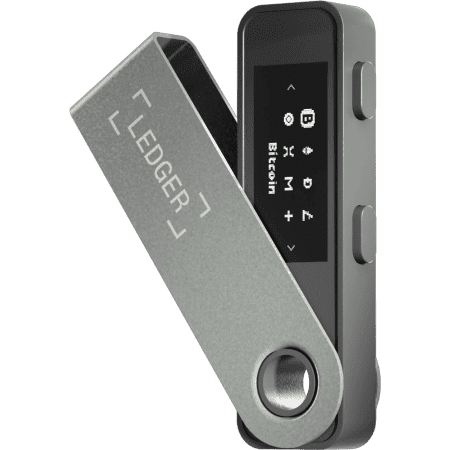
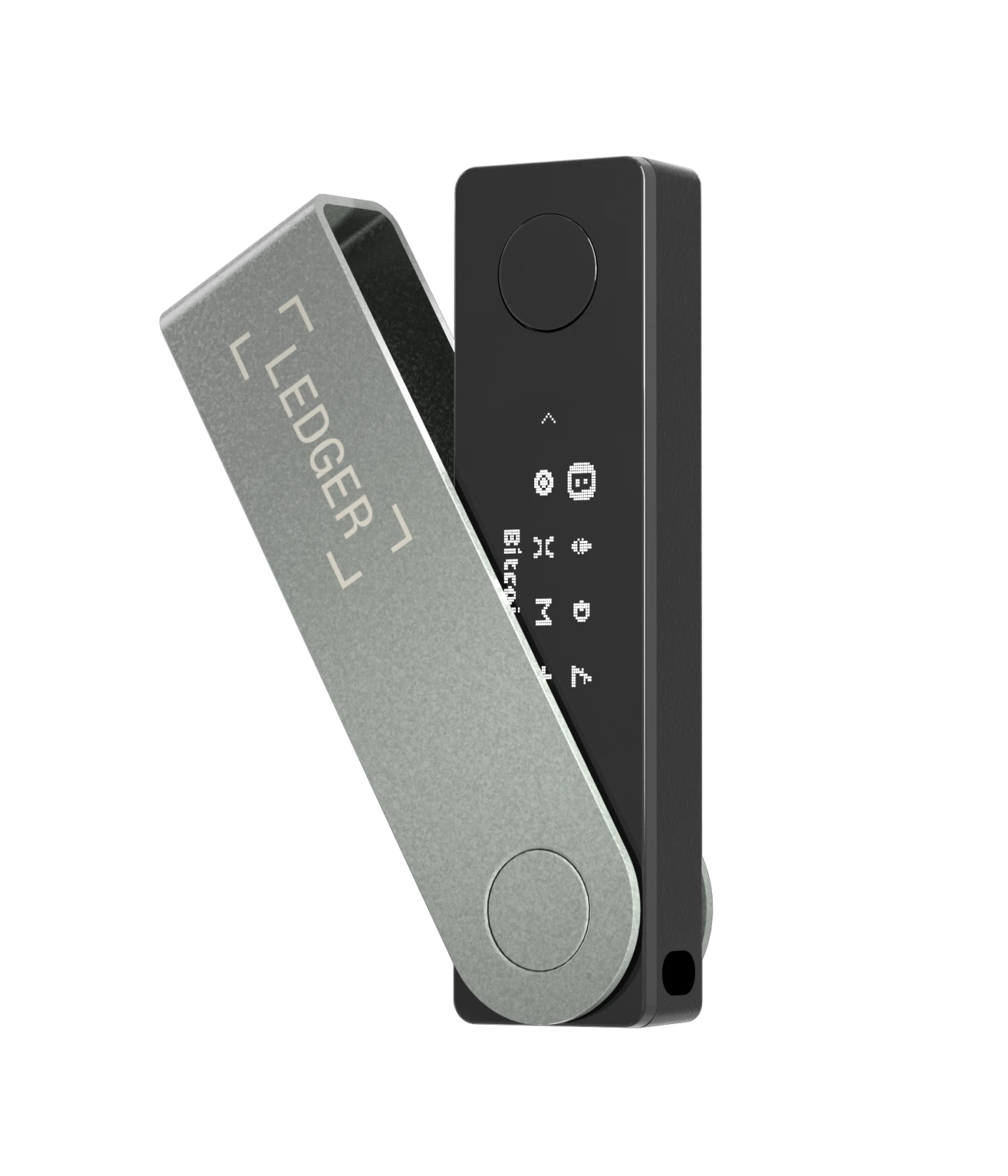
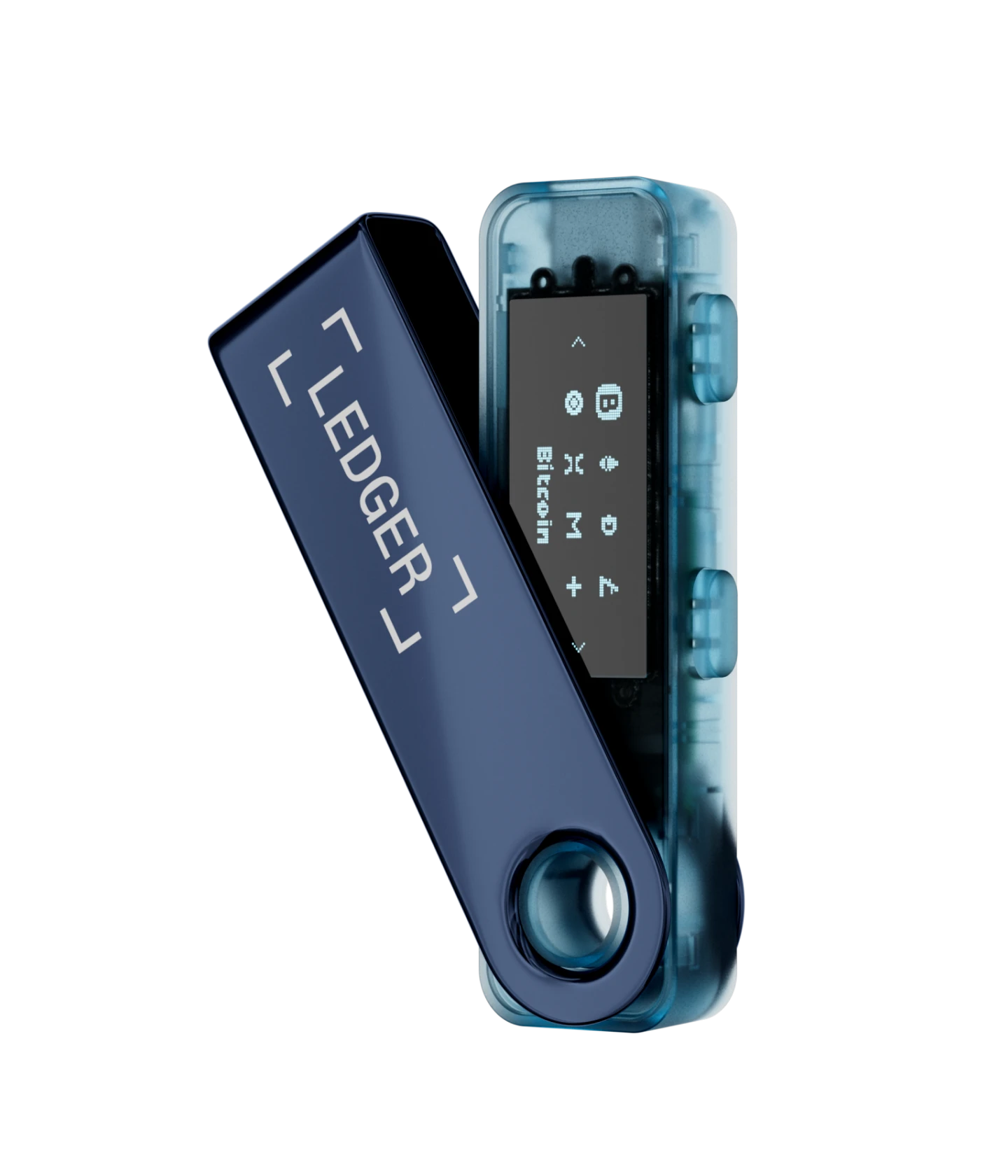
Ledger nano refers to compact hardware wallets made for managing digital assets with offline key storage. Models in the Nano line have included devices such as Ledger Nano S, Ledger Nano S Plus, and Ledger Nano X, each with different storage, connectivity, and screen characteristics. Product details can change over time, so a buyer should confirm current specifications, supported coins, and regional availability through official materials before relying on a particular feature.
Ledger nano is best understood as a signing device. Your cryptocurrency does not physically sit inside the wallet in the way cash sits in a pocket. Coins and tokens are recorded on blockchains such as Bitcoin, Ethereum, and other supported networks. The Ledger nano device protects the private keys that authorize movement of those assets. If the private keys stay protected, an attacker has a much harder time spending funds.
Ledger nano usually works with wallet software, commonly Ledger Live or other compatible wallets, to show accounts and prepare actions. The software can be installed on a computer or mobile device depending on the model and platform support. The important security boundary is that the private key should remain on the hardware wallet. The computer may help compose a transaction, but the Ledger nano device is where approval should happen.
For a new user, this distinction matters because it explains both the benefit and the limitation. Ledger nano can protect against many threats on an infected computer, but it cannot save a user who types the recovery phrase into a fake website, approves the wrong address, or follows unofficial setup instructions. Hardware wallets improve the security model; they do not remove the need for caution.
How does Ledger nano work with private keys and recovery phrases?
Ledger nano begins with key generation during setup. A genuine setup flow should have the device generate a new recovery phrase on its own screen. The user writes that phrase down privately and never photographs, uploads, emails, or types it into a computer. This recovery phrase is the backup for the wallet. Anyone who obtains it can usually restore the wallet elsewhere and control the assets.
Ledger nano then derives accounts from that recovery phrase using standard wallet concepts such as seed phrases, derivation paths, public addresses, and digital signatures. The companion software can request public account information so it can display balances and addresses. When you send crypto, the software prepares transaction data, the device shows the transaction details, and you confirm on the hardware wallet if everything matches your intention.
Ledger nano security depends heavily on screen verification. Malware on a computer could try to swap a destination address before a transaction is signed. The reason a hardware wallet has a display is so the user can compare the address, amount, network, and fees on the device itself. If the details on the Ledger nano screen do not match what you expect, the safe action is to reject the transaction and investigate.
The recovery phrase deserves special treatment because it is more important than the device itself. If a Ledger nano is damaged or lost, the phrase can restore access on a compatible wallet. If the phrase is lost and the device is also unavailable, funds may be unrecoverable. If the phrase is exposed, moving assets to a fresh wallet generated from a new phrase may be necessary. Users should verify procedures with official sources before acting under pressure.
How do you set up Ledger nano safely?
Ledger nano setup should be slow, deliberate, and boring. Start by checking that you are using official setup software and that the device is not already configured. A device that arrives with a printed recovery phrase, scratch card, typed seed words, or instructions telling you to use a prewritten phrase should be treated as compromised. A proper new setup has the Ledger nano device generate the words during initialization.
Ledger nano users should also avoid shortcuts during the first hour. Read the on-device prompts, install apps only as needed, and send a small test transaction before moving a meaningful balance. A small test cannot eliminate all risk, but it helps confirm that the address, network, exchange withdrawal route, and confirmation process behave as expected. It also gives the user practice without the stress of a large transfer.
A practical setup flow usually looks like this:
Use official instructions and verify that the setup software is legitimate.
Initialize Ledger nano as a new device and let the device generate the recovery phrase.
Write the phrase on paper or another offline medium and store it privately.
Set a strong PIN and understand what happens after repeated incorrect attempts.
Install only the apps needed for the networks you plan to use.
Receive a small test amount, then send a small test amount before larger transfers.
Ledger nano setup is also a good time to plan storage. Do not keep the recovery phrase beside the device, in a cloud note, in a password manager unless you fully understand the tradeoffs, or in a photo gallery. Some users choose metal backup plates for fire and water resistance, but the core rule is simpler: the recovery phrase must stay offline, private, legible, and recoverable by the right person under the right circumstances.
If you are comparing older device-specific instructions, an internal overview of can help separate model-specific details from general hardware wallet practices. The main safety principles are consistent, but storage capacity, cable requirements, firmware flows, and app availability can differ by model.
What can Ledger nano be used for?
Ledger nano is mainly used for self-custody of crypto assets. That includes holding coins long term, receiving funds from exchanges, signing outgoing transactions, managing tokens, and interacting with supported blockchain applications. Depending on the asset and software support, users may also use a Ledger nano wallet for staking, token swaps, account viewing, or connecting to third-party wallets that support hardware signing.
Ledger nano can be useful for people who do not want to leave all assets on an exchange. Exchanges can provide convenience, liquidity, and account recovery tools, but they also introduce custodial risk. A hardware wallet shifts control to the user. That can be empowering for experienced users and unforgiving for careless ones. No guide should suggest that self-custody is automatically right for every person or every balance.
Ledger nano also helps create separation between everyday devices and long-term holdings. A user might keep small amounts in a mobile wallet for routine activity while using Ledger nano for assets they do not move often. This kind of separation reduces the damage from a single compromised phone, browser extension, or exchange account. It also makes transaction approval feel more intentional.
In practice, many mistakes happen at the boundaries between tools. A user may choose the wrong network for a withdrawal, copy an old address without verifying it, misunderstand token support, or approve a smart contract interaction without reading the prompt. Ledger nano can show and sign information, but it cannot guarantee that a token contract is safe, a decentralized application is honest, or an investment decision is sound.
Is Ledger nano safe enough for cryptocurrency storage?
Ledger nano can be a safer option than keeping private keys directly on an internet-connected laptop, especially when the recovery phrase is generated on the device and kept offline. The hardware wallet design reduces the chance that ordinary malware can steal the private key. Still, security is not a single product feature. It is the combination of device integrity, official software, careful verification, private backups, and disciplined transaction habits.
Ledger nano risks often involve social engineering rather than advanced hardware attacks. A scammer may sell a previously initialized device, include fake setup instructions, impersonate support, send phishing emails, or ask for recovery words under the pretense of troubleshooting. Real support should not need your recovery phrase. Anyone asking for the phrase is asking for control over the wallet.
Ledger nano users should be especially careful with secondhand purchases and marketplace listings. A sealed-looking package is not a complete security guarantee, and a convincing instruction card can still be malicious. If a device ever displays accounts that you did not create, arrives with recovery words already provided, or pressures you into a nonstandard setup website, stop before depositing funds. Verify the next step through official channels.
The device also does not remove market risk. Cryptocurrency prices can move sharply, fees can rise, networks can become congested, and some tokens can lose support or liquidity. Ledger nano protects signing keys; it does not protect the value of an asset, reverse a mistaken transaction, or make a speculative purchase safer. Users should treat asset decisions as separate from wallet security decisions.
Why does Ledger nano sometimes show sync, balance, or transaction problems?
Ledger nano troubleshooting often starts with a confusing symptom: a balance looks wrong, a transaction appears stuck, an app will not open, or the software waits at a preparation step. These issues do not always mean the device is broken. Wallet software depends on network data, blockchain explorers, nodes, firmware compatibility, cable communication, installed apps, and sometimes third-party services. A temporary indexing or synchronization problem can make a correct wallet look wrong.
Ledger nano users should separate device problems from software or network problems. If the hardware wallet powers on, unlocks, and opens the correct app, the private keys may still be intact even when a balance display is stale. Checking the public address on an independent block explorer can help confirm whether funds are recorded on-chain, but users should avoid entering private information into any website. Public addresses are for viewing; recovery phrases are not.
Ledger nano troubleshooting should be methodical. Update official software when appropriate, use a known good cable, try a different USB port, confirm the correct network and account type, and check whether a blockchain is experiencing delays. If the issue involves a specific coin or token, verify whether there are known service interruptions, app updates, or migration requirements. Do not repeatedly approve transactions you do not understand just because software appears stuck.
For older-model questions, a related internal guide to can help organize common checks before contacting support. The important habit is to preserve the recovery phrase, avoid panic-driven actions, and confirm facts from reliable sources. If official support is needed, describe symptoms and transaction IDs when safe, but never disclose the recovery phrase.
How does Ledger nano compare with exchanges and software wallets?
Ledger nano sits in the hardware wallet category, which is different from both custodial exchange accounts and hot wallets. An exchange may be easiest for buying, selling, and account recovery, but the exchange controls the withdrawal environment and may hold assets on the user’s behalf. A hot wallet on a phone or browser is convenient for frequent use, but its keys are closer to online threats. Ledger nano prioritizes offline key storage and physical confirmation.
Option
Main strength
Main tradeoff
Ledger nano
Offline key storage with physical transaction approval
User must protect the recovery phrase and verify actions
Exchange account
Convenient trading, fiat access, and account tools
Custodial risk, withdrawal limits, and platform dependency
Software wallet
Fast access for everyday transactions and apps
Private keys are exposed to the security of the device
Ledger nano is not automatically better in every situation. Someone actively trading may need exchange access. Someone experimenting with small decentralized applications may prefer a separate low-balance software wallet. Someone holding assets for a long time may value a hardware wallet more. The best arrangement often uses layers, with smaller operational balances separated from larger long-term storage.
Ledger nano alternatives include other hardware wallets, multisignature setups, institutional custody, and paper or metal backups used with different wallet software. Each option has its own assumptions. Multisignature can reduce single-point failure but adds complexity. Custody providers may simplify recovery but require trust. Software wallets are flexible but exposed. Users should compare threat models instead of chasing a single universal answer.
What should you check before sending crypto with Ledger nano?
Ledger nano transactions deserve a short pause before approval. Blockchain transfers are usually difficult or impossible to reverse after confirmation. The user should check the asset, network, receiving address, amount, and fee before pressing the device buttons. When sending to an exchange, the deposit network shown by the exchange must match the network used by the wallet. A token sent to the wrong chain may be hard to recover.
Ledger nano address verification is especially important when receiving funds. The companion software may display a receiving address, but the stronger habit is to verify that same address on the hardware wallet screen. This helps defend against clipboard malware or interface tampering. For a first transfer to a new destination, a test amount can be a reasonable cost of reducing operational risk.
Ledger nano users should also understand transaction fees. Network fees are paid to blockchain validators or miners, not to the hardware wallet itself. Fees vary by chain, congestion, transaction type, and software settings. A low fee can delay confirmation on some networks, while an unnecessarily high fee wastes funds. Always review current fee behavior for the relevant network before moving a large amount.
How should a beginner think about Ledger nano long term?
Ledger nano is most useful when it becomes part of a calm routine rather than a one-time purchase. Keep firmware and companion software reasonably current, but do not rush updates during a crisis or from links in unsolicited messages. Revisit your backup storage occasionally to make sure the recovery phrase is still readable and protected. Practice restoring with a small test wallet if you need confidence before relying on a process.
Ledger nano ownership also requires an inheritance and emergency plan when the balance is meaningful. The plan should not expose the recovery phrase casually, but trusted people may need enough information to locate and use backups if something happens. This is a personal, legal, and security-sensitive topic, so users should think carefully and seek appropriate professional guidance where needed.
Ledger nano can reduce one major class of crypto risk: private keys being stolen from an online device. It does not remove every risk around scams, mistaken addresses, unsupported assets, volatile markets, or poor backup habits. The most reliable approach is to combine the device with official setup instructions, small tests, address verification, recovery phrase discipline, and skepticism toward anyone who creates urgency.
Ledger nano is therefore a tool for responsible self-custody, not a magic shield. Used carefully, it can make cryptocurrency storage more deliberate and resilient. Used casually, it can still fail through human error. Before moving significant value, confirm current device guidance, supported assets, firmware steps, and transaction details with official sources, and make sure you understand the consequences of controlling your own keys.
Reader rating:
4.4 / 5
based on 382 ratings
Questions and Answers
What is Ledger nano used for?
Ledger nano is used to store cryptocurrency private keys offline and approve blockchain transactions on a physical device. It can help manage coins, tokens, receiving addresses, and outgoing transfers through compatible wallet software. It is not an exchange or investment product, and it does not protect against market losses. Its main purpose is improving key security for users who understand self-custody responsibilities.
Is Ledger nano safe for beginners?
Ledger nano can be safe for beginners who follow official setup instructions, create their own recovery phrase on the device, and verify transaction details before approval. The biggest beginner risks are using a prewritten recovery phrase, entering seed words into a website, buying from an untrusted seller, or sending funds on the wrong network. Start with small test transactions and verify current guidance with official sources.
What should I do if my Ledger nano shows the wrong balance?
A wrong balance does not always mean the device or private keys are damaged. Wallet software can show stale information because of network syncing, explorer issues, app compatibility, or connection problems. Check the public address on a reputable block explorer without entering private data, update official software if appropriate, and avoid sharing your recovery phrase. Contact official support if the issue continues.
Can I recover crypto if my Ledger nano is lost or broken?
If your recovery phrase is intact and private, you can usually restore access with a compatible wallet or replacement hardware wallet. The device itself is less important than the recovery phrase. If both the device and recovery phrase are lost, recovery may not be possible. If someone else has seen the phrase, assume the wallet may be compromised and verify safe migration steps.
Should I buy a used Ledger nano?
A used Ledger nano carries extra risk because it may have been initialized before, paired with misleading instructions, or handled by someone you do not trust. If a device comes with recovery words already printed or scratched off, do not use that wallet for funds. Many users prefer buying through trusted channels and verifying setup with official instructions before depositing any cryptocurrency.
Does Ledger nano charge transaction fees?
Ledger nano itself does not determine blockchain network fees. When you send crypto, fees are generally paid to the relevant blockchain network’s validators or miners, and the amount can change with congestion and transaction type. Companion software may help estimate fees, but users should review the asset, network, address, amount, and fee before approving the transaction on the device.
How is Ledger nano different from keeping crypto on an exchange?
Ledger nano is a self-custody hardware wallet, so the user controls the private keys and must protect the recovery phrase. An exchange account is usually custodial, meaning the platform may control asset storage and account access while offering trading and recovery features. Hardware wallets reduce platform dependency but increase personal responsibility. The right choice depends on experience, risk tolerance, and how often funds need to move.
Yesterday I tried to send some ZEC to my Gemini account from the Nano S and all the Ledger would do is stay on “preparing transaction” and then eventually time out. I downloaded and installed the latest firmware, removed the Bitcoin wallet app, re-installed the Bitcoin wallet app and then the Zcash app but no change. Still locked at “preparing transaction”. Macbook Air, never any issues before.
This morning I tried it on a new computer and was able to send two transactions to Gemini, a test of .15 ZEC and later another .30 ZEC and both went through fine. Windows 10.
Once they were confirmed I thought I was golden and tried to send the entire balance to Gemini…about 6 ZEC. Same thing started again…locking at “preparing transaction”.
I tried changing the amount to send from 6 ZEC to 0.15 and that didn’t work either. Back to square one
I’ve used this Nano for about 10 months with zero issues (sending to Kraken) and this behavior is getting me a little nervous.
Another possibly related very weird thing is the balance the Ledger shows is way off of the actual balance per Blockexplorer. The discrepency has been going on for a couple of months but usually fixes itself after a few syncs. The sync isn’t working now either no matter how many times I try it.
This is the first time I’ve tried sending any coins out of the Nano in just over a month.
Any ideas on how to get the rest of my coins to another more reliable wallet?
The Nano freezes at “preparing transaction” and then bricks, with the device never actually sending anything to the blockchain to be mined. Am I missing something?
To answer your question, there are <40 inputs that generated those 6+ ZEC that I’m trying to output to Gemini. Most were 0.250+ and none were under 0.150 ZEC
I have been having problems viewing my balance and last transaction on the Ledger as well, but have no problems sending out yet. It isn’t the Ledger itself but the software because I have 2 Ledgers and it happened on both of them on different PC’s. Make a support ticket with Ledger. It is making me nervous as well and wonder if I should send it all to a different wallet.
Note that my Ledger started reporting the wrong balances for a few weeks before it bricked. If I continually refreshed, (clicking the circle in upper right corner) it would eventually reconcile with Block Explorer. It slowly became worse and worse.
Now it won’t reconcile at all or output any funds.
I did create a support ticket and sent in my log files…fingers crossed.
I think it has to be their servers because I have 2 ledgers with the same seed on them and they both do it. I only use 1 of them routinely so I don’t think it could be the ledger itself. Yet their server status says the servers are fine.
I think they can recover your ZEC from the ledger though if it comes to that.
Could it be from a overwinter upgrade? Also. If I keep refreshing it will disappear and reappear. It is only the last transaction though. Once I deposit more into the wallet the previous transaction is fine. When I refresh the last transaction it will say 1 confirmation even though there are thousands.
I may send my ZEC to 2 or 3 different wallets until this is figured out. Is the Gemini wallet insured and secure?
I was contacted by Ledger support and told that their ZEC servers were out of sync and would be reset, so your idea that it might be software looks to be correct. Whew!
This afternoon I connected and the Nano sync’d up quickly and matched what is shown on Block Explorer.
Next, I attempted to send about 6+ ZEC to Gemini Exchange and it went through in a matter of seconds, just like it used to do a month ago.
So for now, I am experiencing no problems at all! Hope this was just a temporary thing. I don’t really like keeping my ZEC on an exchange but for now I’m ok with it. If over the next week or so I have no further issues with the Nano S I’ll pull them back.
Thinking of setting up WinZEC wallet as a backup.
Amandine (Ledger Customer Service)
Jun 4, 14:29 CEST
Hello,
Thank you for contacting Ledger support.
We are very sorry to learn that you are experiencing this issue with ZEC.
Our Zcash (ZEC) explorers are out of sync. We have relaunched a synchronisation that should be over around 3PM CET