Ledger nano wallet: Setup, recovery, and safety tips
Ledger nano wallet Is a practical guide to setup, recovery, and safe use
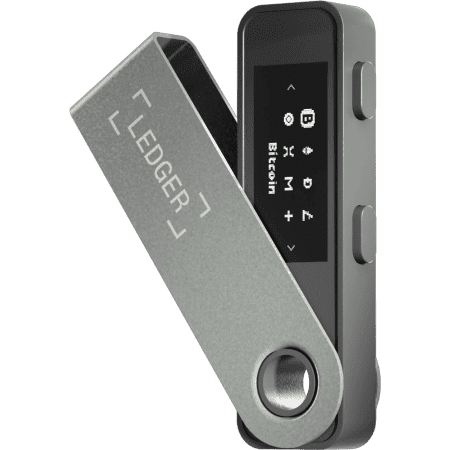
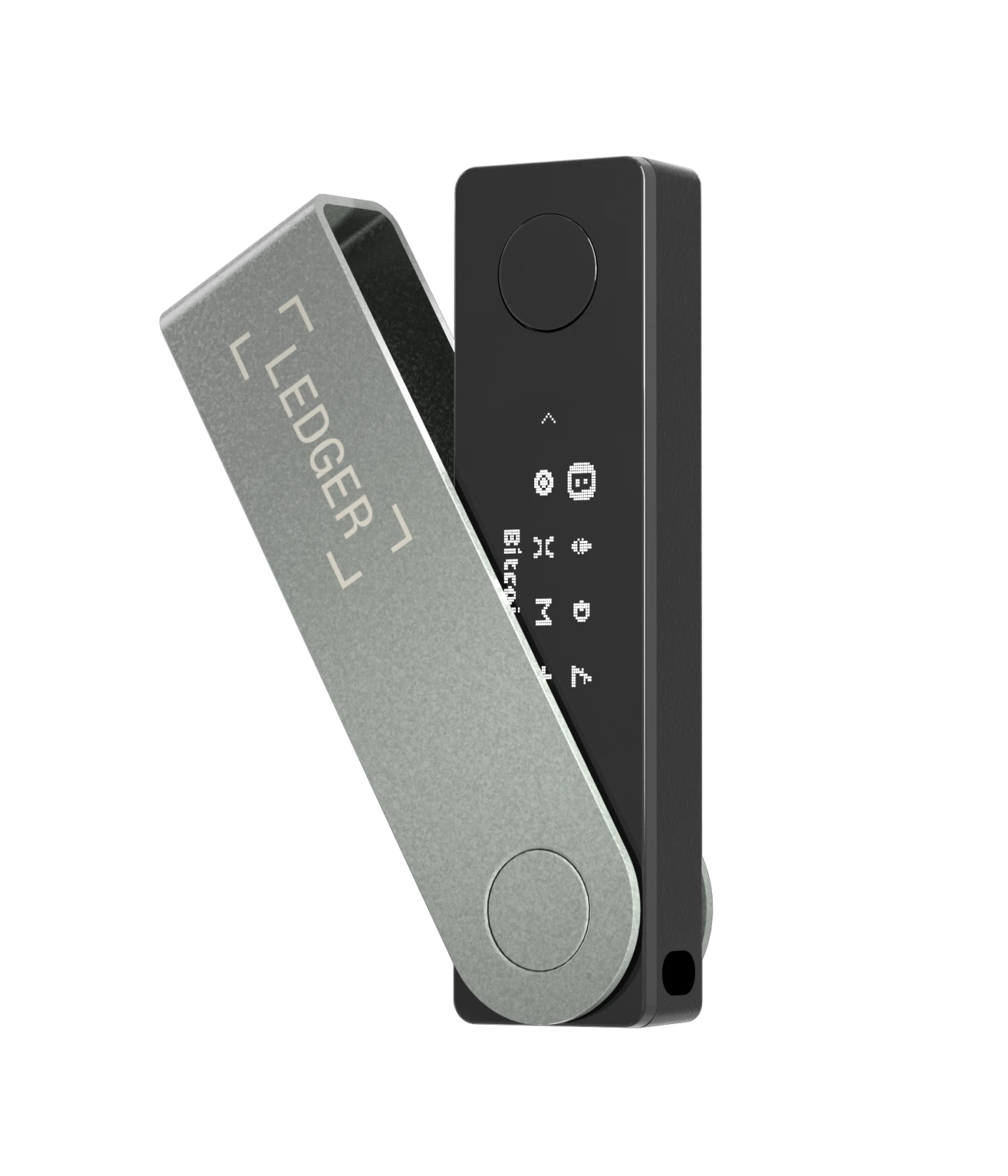
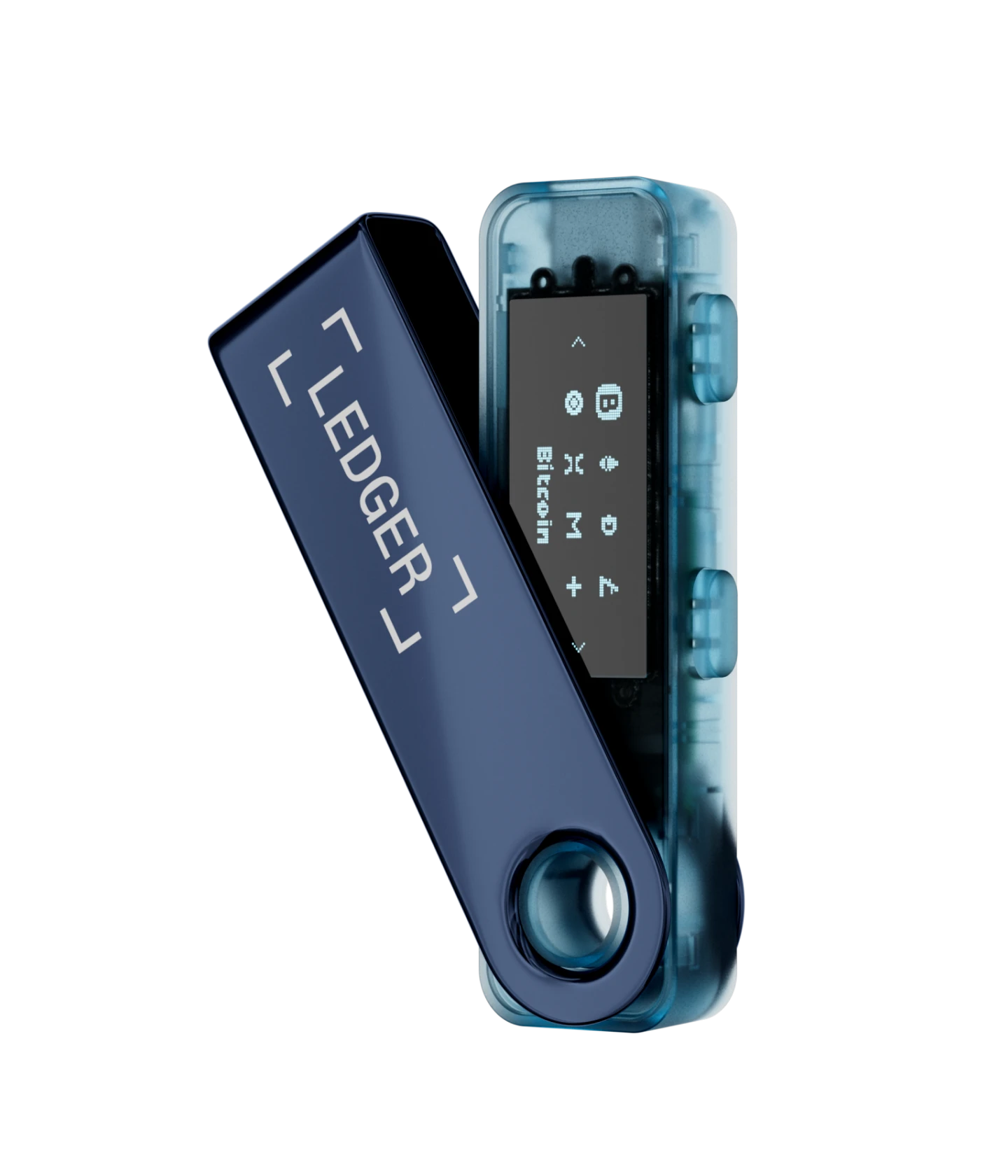
Ledger nano wallet Is a hardware wallet approach for holding cryptocurrency private keys offline while using companion software to view balances, install apps, and prepare transactions. It does not store coins inside the device; assets remain on their blockchains, while the device protects the keys needed to approve movement. A careful setup, a verified recovery phrase, and deliberate transaction checks matter more than the brand name on the case.
What is Ledger nano wallet?
Ledger nano wallet is a small hardware signing device used with wallet software such as Ledger Live and, in some cases, third-party wallets that support specific networks. The core idea is separation: the computer or phone can build a transaction, but the sensitive approval happens on the hardware device. That design helps reduce exposure to malware, fake browser prompts, and clipboard tricks, but it does not remove every risk.
Ledger nano wallet usually refers to devices in the Ledger Nano family, including older models such as Nano S and newer devices with more storage, updated screens, or mobile-friendly features. A user installs coin apps on the device, connects it by USB or supported wireless methods depending on the model, and confirms actions with physical buttons. The device is meant to be a signing tool, not a bank, exchange, or recovery service.
Ledger nano wallet ownership also includes responsibilities that are easy to underestimate. The most important item is the recovery phrase, often 24 words generated during setup. That phrase can recreate the wallet on a compatible device. Anyone who obtains it can usually take control of the funds, and anyone who loses it may lose access if the device fails, resets, or becomes unusable.
How does Ledger nano wallet work with private keys?
Ledger nano wallet protects private keys by keeping them inside a secure hardware environment while displaying transaction details for review. In normal use, Ledger Live or another wallet app asks the device to sign a transaction. The user checks the receiving address, amount, network, fees, and account context on the device screen before approving. The signed transaction is then broadcast to the blockchain by software connected to the internet.
Ledger nano wallet does not make blockchain transactions reversible. If a user approves a transfer to the wrong address, chooses the wrong network, or signs a malicious contract interaction, the device has done what it was asked to do. This is why the screen confirmation is not a formality. It is the security boundary where a person can catch a substitution, fake address, unexpected token approval, or suspicious smart contract request.
The recovery phrase is based on a standardized word list used by many wallets. Ledger nano wallet setup should show words that belong to that list, and recovery should accept only valid words. If a written word is not recognized during restoration, the most common explanation is a handwriting, spelling, reading, or ordering mistake. Similar-looking words, columns copied as rows, and unclear handwriting can create serious recovery problems years later.
How do you set up Ledger nano wallet the careful way?
Ledger nano wallet setup should begin with the device in hand, the official companion software downloaded from the official source, and a quiet environment where the recovery phrase can be written without cameras, messaging apps, or cloud backups involved. The device should generate a new phrase itself. A phrase printed in the box, sent by email, shown on a website, or provided by another person should be treated as compromised.
Ledger nano wallet onboarding normally asks the user to choose a PIN, write down the recovery phrase, and confirm that the words were captured correctly. The PIN protects local access to the physical device, while the recovery phrase protects long-term ownership. They are not interchangeable. Losing a PIN can usually be handled if the phrase is correct; losing or exposing the phrase is a much larger problem.
Ledger nano wallet users should verify the backup before storing significant value. A recovery check process, when available through official tooling, can confirm that the written words match the device without revealing them online. This one step catches many preventable mistakes. It is also sensible to learn before sending larger amounts, because a backup that has never been tested is only an assumption.
Ledger nano wallet setup becomes more reliable when users follow a simple sequence:
Initialize the device as new and let it generate the recovery phrase.
Write the words clearly in numbered order on paper or metal backup media.
Confirm the phrase with an official recovery check workflow before funding the wallet.
Install only the apps needed for the assets being used.
Send a small test transaction before transferring larger amounts.
For a new user, this process may feel slow, but it is slower to recover from a bad backup, wrong address, or fake support interaction. Ledger nano wallet security depends on boring, repeatable habits: write the phrase once, keep it offline, test before scale, and confirm every meaningful action on the device display.
What can Ledger nano wallet be used for?
Ledger nano wallet can be used for long-term holding, exchange withdrawals, DeFi signing, token storage, staking workflows where supported, and account recovery across compatible hardware. Many people use it as cold storage for assets they do not plan to trade daily. Others connect it to browser wallets to approve transactions while keeping the seed phrase away from the browser environment.
Ledger nano wallet is also useful for separating roles. A user might keep a long-term account for savings, a smaller account for decentralized applications, and a temporary account for experiments. The device may support multiple accounts and apps, but the risk profile changes depending on how it is used. Signing simple transfers is different from approving smart contract allowances, minting NFTs, bridging assets, or connecting to unfamiliar websites.
In practice, Ledger nano wallet works best when paired with clean account organization. Label accounts clearly, avoid mixing test funds with major holdings, and record why an address exists without writing private information into online notes. If a wallet is used with multiple networks, check that the address format, network name, and transaction fee asset match the intended chain before approving anything.
Why does Ledger nano wallet sometimes show sync or balance issues?
Ledger nano wallet software may occasionally show an incorrect balance, delayed confirmation, or a transaction preparation error because the companion app depends on network data, blockchain nodes, explorers, and local cache. The hardware device may still be functioning correctly even when the displayed account history looks stale. This distinction matters: the device signs transactions, while balances are read from public blockchain data sources.
Ledger nano wallet users who see a mismatch should compare the public receiving address on a reputable block explorer, refresh the account, update the app, and check whether the relevant network is experiencing service issues. A missing balance in wallet software does not automatically mean funds are gone. Conversely, a confirmed outgoing transfer on-chain should be treated seriously, even if the wallet interface is confusing.
Ledger nano wallet troubleshooting should start calmly. Try another cable, another USB port, a supported browser or desktop environment, and current firmware or app versions. If a transaction remains stuck at a preparation stage, avoid repeatedly approving unfamiliar prompts. Confirm whether the issue is limited to one asset, one computer, one account, or one blockchain network. For official device status, warranty, firmware, and support information, verify details through official Ledger sources rather than social messages.
Is Ledger nano wallet safe?
Ledger nano wallet can be a safer way to manage crypto keys than keeping a seed phrase in a hot wallet on an everyday computer, but safety is conditional. The device cannot protect a recovery phrase that was photographed, typed into a website, stored in cloud notes, or shared with someone claiming to be support. It also cannot make a malicious transaction safe if the user approves it on the device.
Ledger nano wallet security is strongest when the user assumes every direct message, urgent support request, surprise airdrop, and seed phrase form is hostile until proven otherwise. Real support should not need the recovery phrase. A legitimate wallet recovery process happens on a trusted device, not in a web form. A request to synchronize, validate, unlock, or verify a wallet by entering 24 words online is a red flag.
Ledger nano wallet owners should also consider physical durability. Older devices can develop screen problems, cables can fail, and batteries on battery-equipped models can discharge. A failed screen is frustrating, but the recovery phrase is the real backup. If the phrase is correct, funds can usually be restored on a compatible wallet. If the phrase is wrong or missing, repairing the old device may become urgent and uncertain.
Crypto involves market risk, software risk, network risk, and user error. Ledger nano wallet reduces some key-storage risks, but it is not insurance and does not guarantee recovery from scams, wrong transfers, smart contract drains, or exchange failures. Users should verify current setup instructions, supported assets, and safety notices with official sources before relying on any workflow.
How should you recover Ledger nano wallet access?
Ledger nano wallet recovery begins with the written recovery phrase and a compatible device or wallet. The words must be entered in the exact order, using the supported word list. If one word is rejected, do not guess wildly on an internet-connected computer. First inspect handwriting, numbering, columns, similar spellings, and whether any word could have been copied from the wrong backup sheet.
Ledger nano wallet restoration should never require sharing the phrase with a person. If a user must use recovery tools for a suspected typo, that is a high-risk process and should be done only with strong offline precautions and a clear understanding of the software being used. Many people are better served by official support guidance and conservative handling than by downloading unknown tools in a panic.
Ledger nano wallet users who still have partial device access should move carefully. If the device screen works and the PIN is known, consider sending a small test transaction to a new wallet generated from a verified backup. If the device is unreliable, avoid unnecessary resets until the recovery phrase has been checked. A reset without a correct phrase can turn a repairable situation into a permanent access problem.
How does Ledger nano wallet compare with software wallets and exchanges?
Ledger nano wallet sits between convenience and self-custody discipline. Compared with a software wallet, it keeps signing keys away from the main computer or phone, which can reduce exposure to malware and phishing. Compared with an exchange account, it gives the user direct control over private keys, but also removes many account recovery conveniences that custodial platforms may offer.
Option
Main strength
Main tradeoff
Ledger nano wallet
Offline key protection and device confirmation
Recovery phrase responsibility stays with the user
Software wallet
Fast access and broad app compatibility
Keys may be exposed to the device environment
Exchange account
Simple login and trading features
User depends on the platform for custody and withdrawals
Ledger nano wallet is often chosen by people who want self-custody without using a fully air-gapped setup. A software wallet may be better for tiny balances, testing, or frequent interactions. An exchange may be useful for liquidity and fiat access. None of these choices removes the need to understand addresses, networks, fees, taxes, and personal risk limits.
What habits make Ledger nano wallet easier to use long term?
Ledger nano wallet becomes less stressful when maintenance is routine. Keep the companion app updated from official sources, update firmware only when you understand the process, and leave enough time for updates before urgent transactions. Store the device somewhere protected from moisture, heat, and casual access. Store the recovery phrase separately from the device so one theft or accident does not expose both.
Ledger nano wallet transaction habits matter just as much. Read the device screen, not only the computer screen. For a new address, send a small test amount first. For token approvals, understand what spending permission is being granted. For bridges or DeFi protocols, assume complexity adds risk. For unknown NFTs, tokens, and links, avoid interaction unless you understand the purpose and source.
Ledger nano wallet users should plan for inheritance or emergency access without weakening security. That may mean sealed instructions, trusted legal planning, or a carefully designed recovery process that does not reveal the phrase during normal life. The right approach depends on family, jurisdiction, asset size, and personal threat model, so users should avoid copying a stranger's setup without thought.
A related guide to can help frame the broader tradeoffs, but the practical rule is simple: the recovery phrase controls the wallet, and the device helps sign safely. Ledger nano wallet is a tool for disciplined self-custody, not a shortcut around learning how crypto transactions work.
When is Ledger nano wallet a good fit?
Ledger nano wallet is a good fit for users who want to hold crypto directly, can protect an offline recovery phrase, and are willing to verify transactions before approval. It is less suitable for anyone who expects password-reset style recovery, ignores device prompts, or stores backups digitally for convenience. The device can raise the security baseline, but the user remains part of the security model.
Ledger nano wallet works best when expectations are realistic. It can protect private keys from many online threats, help separate signing from browsing, and support a wide range of assets through wallet software. It cannot promise profits, recover stolen funds, prevent every scam, or make unsupported networks safe. Before buying, updating, restoring, or transferring meaningful value, confirm current device features, supported assets, and official guidance from the manufacturer.
Ledger nano wallet is ultimately about control. With control comes the need to slow down, check addresses, preserve backups, and treat urgent requests with suspicion. Readers comparing cold storage, hot wallets, and exchange custody should focus less on slogans and more on daily behavior. A well-tested recovery phrase, a cautious signing routine, and official-source verification do more for safety than any single product name.
Reader rating:
4.4 / 5
based on 382 ratings
Questions and Answers
What is a Ledger nano wallet used for?
A Ledger nano wallet is used to protect cryptocurrency private keys in a hardware device while companion software prepares transactions and displays balances. The coins are not stored inside the device; they remain on their blockchains. The device signs transactions after the user reviews details on its screen, making it useful for long-term holding, exchange withdrawals, and safer interaction with supported wallets.
Is Ledger nano wallet safer than a software wallet?
Ledger nano wallet can be safer than a software wallet because private keys are kept away from the everyday computer or phone environment. However, it is not automatically safe in every situation. If a user exposes the recovery phrase, approves a malicious transaction, downloads fake software, or ignores address checks, funds can still be lost. Security depends on both the device and user habits.
What should I do if my Ledger nano wallet recovery word is not recognized?
If a recovery word is not recognized, first check spelling, handwriting, numbering, and word order against the standard recovery word list used by compatible wallets. Do not type the full phrase into websites or send it to support accounts. A rejected word is often a transcription mistake. If value is at stake, use only trusted offline recovery methods and verify guidance through official sources.
Can Ledger nano wallet recover stolen crypto?
Ledger nano wallet cannot reverse blockchain transactions or recover assets after an unauthorized transfer has been confirmed. If you suspect compromise, protect any remaining assets by moving them to a new wallet generated from a verified, uncompromised recovery phrase. Then review transaction history, device access, seed phrase exposure, and software sources. Be cautious of anyone claiming they can recover stolen crypto for a fee.
Why does Ledger nano wallet show a wrong balance sometimes?
A wrong balance can come from wallet software, network indexing, cache, explorer delays, or temporary sync problems rather than the hardware device itself. Check the public address on a reliable block explorer, refresh or update the wallet software, and confirm whether the issue affects one asset or network. A display error is different from an on-chain outgoing transaction, so verify carefully before assuming funds are missing.
Do I need Ledger Live to use Ledger nano wallet?
Ledger Live is commonly used for setup, firmware updates, app installation, balance viewing, and many transactions, but some assets or workflows may use compatible third-party wallets with the hardware device. Regardless of the software, the device should display transaction details before approval. Download wallet software only from official sources and confirm current compatibility for the specific asset or network you plan to use.
What is the most important Ledger nano wallet safety rule?
The most important rule is to keep the recovery phrase offline, private, and verified. Never enter it into a website, cloud note, chat, email, or support form. Anyone with the phrase can usually control the wallet, while losing it can make recovery impossible if the device fails. After setup, use an official recovery check workflow before storing meaningful value.
Yesterday I tried to send some ZEC to my Gemini account from the Nano S and all the Ledger would do is stay on “preparing transaction” and then eventually time out. I downloaded and installed the latest firmware, removed the Bitcoin wallet app, re-installed the Bitcoin wallet app and then the Zcash app but no change. Still locked at “preparing transaction”. Macbook Air, never any issues before.
This morning I tried it on a new computer and was able to send two transactions to Gemini, a test of .15 ZEC and later another .30 ZEC and both went through fine. Windows 10.
Once they were confirmed I thought I was golden and tried to send the entire balance to Gemini…about 6 ZEC. Same thing started again…locking at “preparing transaction”.
I tried changing the amount to send from 6 ZEC to 0.15 and that didn’t work either. Back to square one
I’ve used this Nano for about 10 months with zero issues (sending to Kraken) and this behavior is getting me a little nervous.
Another possibly related very weird thing is the balance the Ledger shows is way off of the actual balance per Blockexplorer. The discrepency has been going on for a couple of months but usually fixes itself after a few syncs. The sync isn’t working now either no matter how many times I try it.
This is the first time I’ve tried sending any coins out of the Nano in just over a month.
Any ideas on how to get the rest of my coins to another more reliable wallet?
The Nano freezes at “preparing transaction” and then bricks, with the device never actually sending anything to the blockchain to be mined. Am I missing something?
To answer your question, there are <40 inputs that generated those 6+ ZEC that I’m trying to output to Gemini. Most were 0.250+ and none were under 0.150 ZEC
I have been having problems viewing my balance and last transaction on the Ledger as well, but have no problems sending out yet. It isn’t the Ledger itself but the software because I have 2 Ledgers and it happened on both of them on different PC’s. Make a support ticket with Ledger. It is making me nervous as well and wonder if I should send it all to a different wallet.
Note that my Ledger started reporting the wrong balances for a few weeks before it bricked. If I continually refreshed, (clicking the circle in upper right corner) it would eventually reconcile with Block Explorer. It slowly became worse and worse.
Now it won’t reconcile at all or output any funds.
I did create a support ticket and sent in my log files…fingers crossed.
I think it has to be their servers because I have 2 ledgers with the same seed on them and they both do it. I only use 1 of them routinely so I don’t think it could be the ledger itself. Yet their server status says the servers are fine.
I think they can recover your ZEC from the ledger though if it comes to that.
Could it be from a overwinter upgrade? Also. If I keep refreshing it will disappear and reappear. It is only the last transaction though. Once I deposit more into the wallet the previous transaction is fine. When I refresh the last transaction it will say 1 confirmation even though there are thousands.
I may send my ZEC to 2 or 3 different wallets until this is figured out. Is the Gemini wallet insured and secure?
I was contacted by Ledger support and told that their ZEC servers were out of sync and would be reset, so your idea that it might be software looks to be correct. Whew!
This afternoon I connected and the Nano sync’d up quickly and matched what is shown on Block Explorer.
Next, I attempted to send about 6+ ZEC to Gemini Exchange and it went through in a matter of seconds, just like it used to do a month ago.
So for now, I am experiencing no problems at all! Hope this was just a temporary thing. I don’t really like keeping my ZEC on an exchange but for now I’m ok with it. If over the next week or so I have no further issues with the Nano S I’ll pull them back.
Thinking of setting up WinZEC wallet as a backup.
Amandine (Ledger Customer Service)
Jun 4, 14:29 CEST
Hello,
Thank you for contacting Ledger support.
We are very sorry to learn that you are experiencing this issue with ZEC.
Our Zcash (ZEC) explorers are out of sync. We have relaunched a synchronisation that should be over around 3PM CET