Ledger nano: Setup, security, and troubleshooting guide
Ledger nano Is a practical guide to setup, safety, and troubleshooting
Ledger nano Is a hardware wallet family used to protect crypto private keys while users review and approve transactions on a separate physical device. It is not a bank account, exchange, or investment product. Its main job is to keep signing keys isolated from everyday computers and phones, while companion software helps display balances, install apps, and prepare transactions. Users still need to protect the recovery phrase, verify addresses, and confirm details through official sources before moving assets.
Ledger nano is often searched by people who are deciding whether a hardware wallet is worth the extra setup work. The short answer is that a device can improve security when it is bought from a trusted source, initialized privately, backed up correctly, and used with careful transaction checks. It does not remove every risk. A mistaken address, exposed recovery phrase, unsupported network, phishing page, or misunderstood bridge transaction can still lead to permanent loss.
What is Ledger nano?
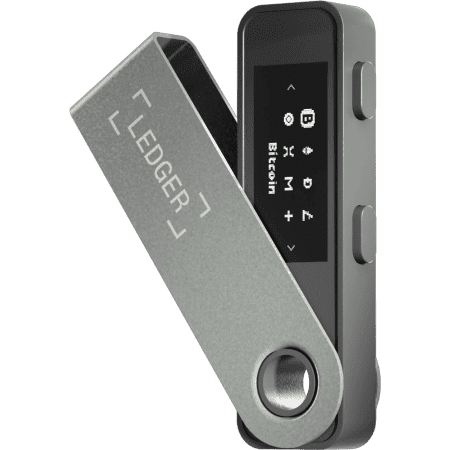
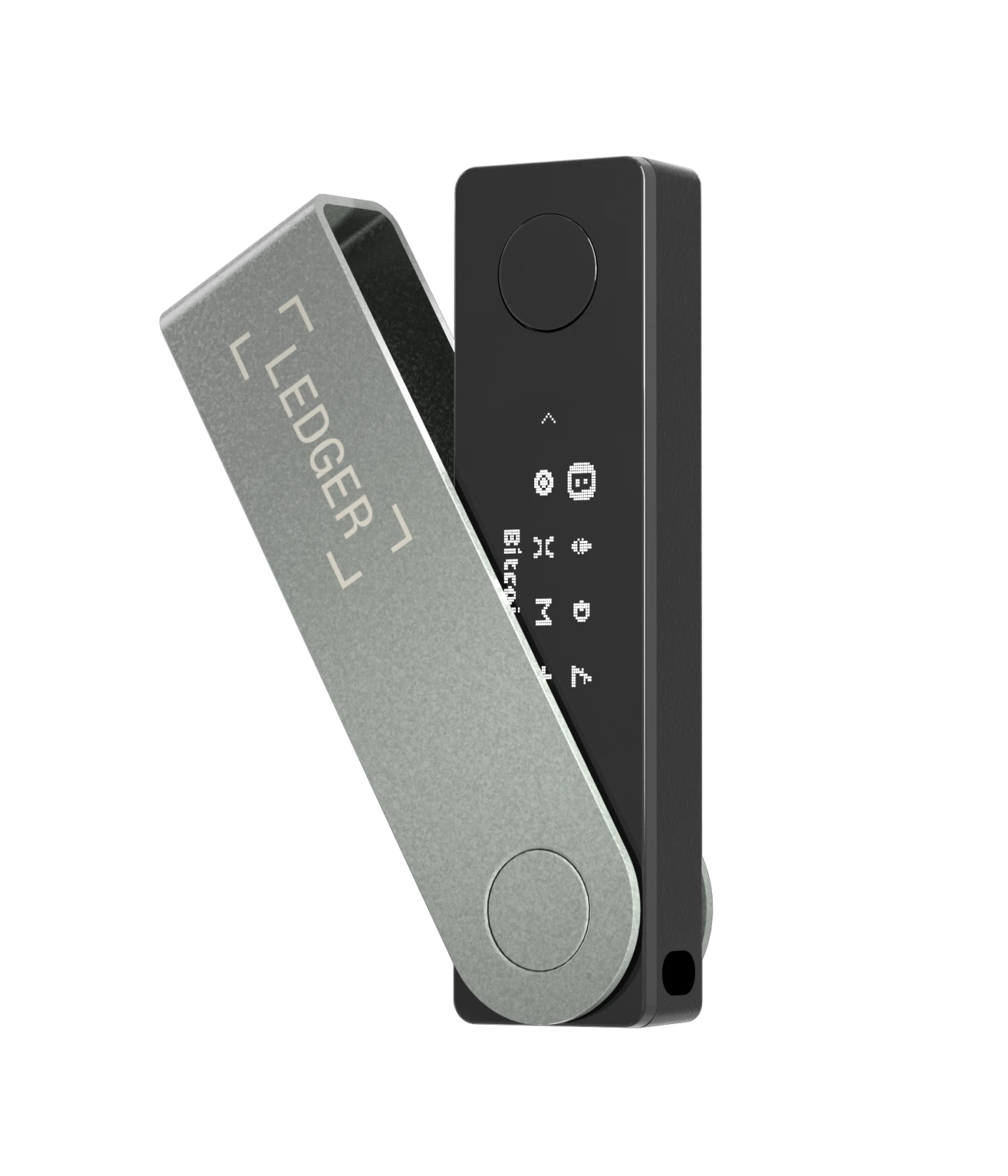
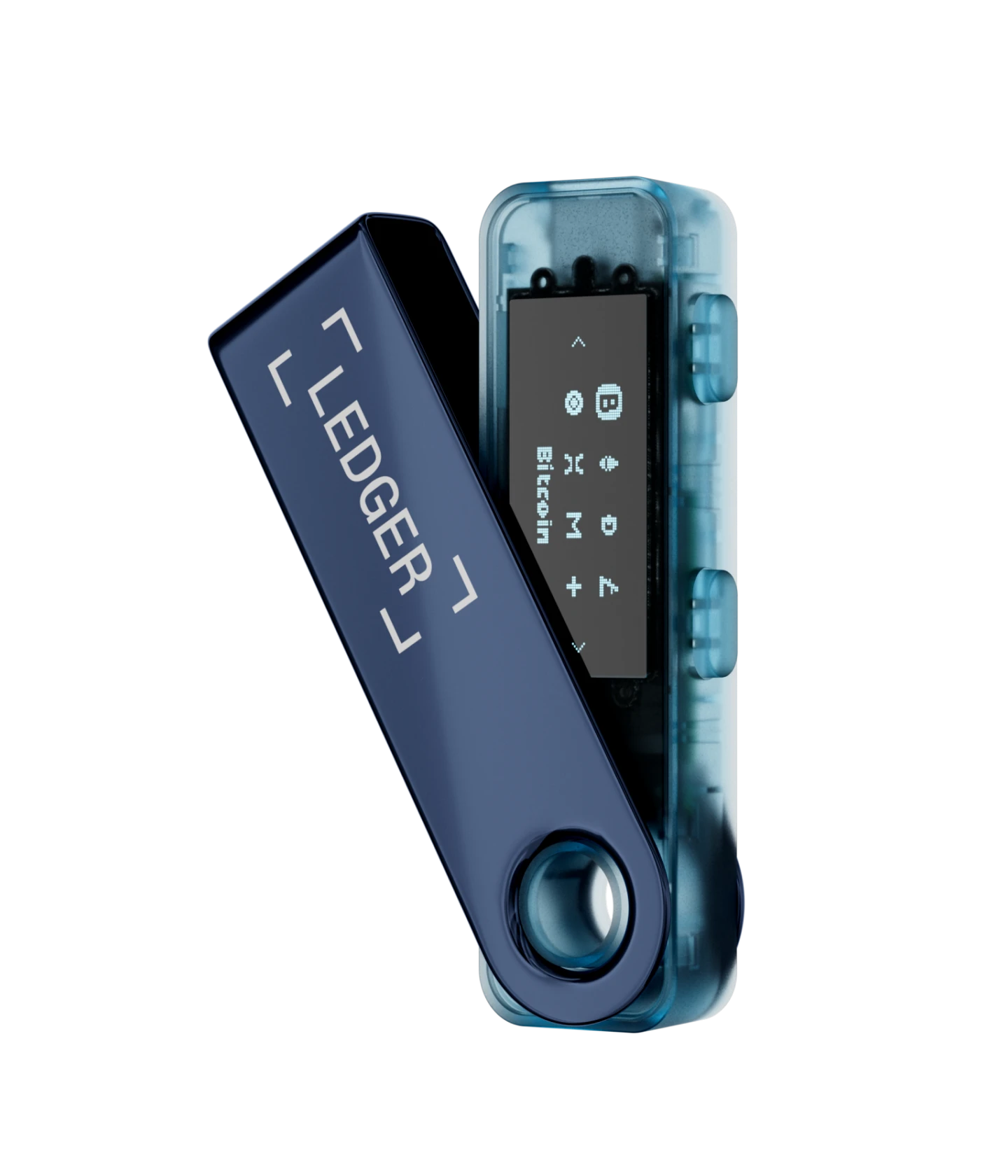
Ledger nano refers to compact Ledger hardware wallets such as Ledger nano S Plus and Ledger nano X. These devices are designed to store private keys in a protected chip and require physical confirmation before a crypto transaction can be signed. The coins and tokens are not stored inside the device itself. They remain on their blockchains, while Ledger nano controls the keys that authorize movement from the related addresses.
Ledger nano is usually paired with Ledger Live, the companion app used for device setup, account management, portfolio viewing, firmware updates, and supported coin applications. A knowledgeable user may also connect a Ledger nano device to compatible third-party wallets for networks or features that Ledger Live does not fully cover. That flexibility is useful, but it also means users must pay close attention to chain names, derivation paths, contract addresses, and transaction prompts.
Ledger nano is best understood as a signing tool rather than a complete shield around every crypto decision. It can help prevent private keys from sitting in a browser extension or hot wallet, but it cannot decide whether a token is legitimate, whether a website is safe, or whether an exchange withdrawal network matches the address being used. The device is one layer in a broader custody routine.
How does Ledger nano work when you send crypto?
Ledger nano works by separating transaction preparation from transaction approval. A computer or phone creates a transaction request through wallet software. The hardware wallet receives the request, displays key details, and asks the user to approve or reject it. If approved, Ledger nano signs the transaction internally and returns the signature to the software so it can be broadcast to the network.
Ledger nano does not need to reveal the private key during this process. That distinction is the reason hardware wallets exist. Malware on a laptop may be able to interfere with what a screen shows, copy addresses from the clipboard, or redirect a browser, but it should not be able to extract the private key from a correctly functioning Ledger nano. The user still has to compare the address and amount on the physical device screen, because the device approval is the final checkpoint.
In practice, Ledger nano use involves a few moving parts. The device may need a firmware update. The coin app for a particular network may need to be installed. The blockchain service, node, explorer, or wallet interface may need to sync correctly before balances and transactions look current. If balances appear wrong or a transaction stays stuck at a preparation step, the problem may be software, network, device connection, app version, or an unsupported asset path rather than a broken wallet.
How do you set up Ledger nano for the first time?
Ledger nano setup should happen in a private place, on a device that has not already been initialized by someone else. A new user should create a fresh recovery phrase on the hardware wallet itself, write it on paper or metal, and confirm it on the device. The recovery phrase is the master backup for the accounts generated by that Ledger nano. Anyone who obtains it can potentially control the funds.
Ledger nano setup is not just clicking through screens. It is a custody decision. The recovery phrase should not be typed into a website, pasted into a chat, stored in cloud notes, photographed, emailed, or shared with support. A real support agent does not need it. A wallet app asking for it during normal connection is a major warning sign. For a deeper companion page, many users benefit from reading a plain-language before funding a new address.
A careful first workflow looks simple, but each step matters:
Buy the device through a source you can verify and inspect the packaging and device prompts.
Initialize Ledger nano as a new wallet and create the PIN directly on the device.
Write down the recovery phrase offline and store it away from cameras and connected devices.
Install Ledger Live or a compatible wallet from an official source and verify the device.
Add the relevant coin app and send a small test transaction before transferring more value.
Ledger nano users should also learn the difference between accounts, apps, and assets. Removing an app from the hardware wallet does not erase the blockchain account or the funds controlled by the recovery phrase. Reinstalling an app can restore access to the same account if the same seed and account path are used. This matters when storage space is limited or when several chains are used from one device.
What can Ledger nano be used for?
Ledger nano is commonly used for long-term holding, occasional transfers, exchange withdrawals, staking through compatible networks, and signing transactions with selected decentralized applications. Some users keep most assets on hardware-backed addresses and only small working balances in hot wallets. That separation can reduce exposure to browser compromises, risky approvals, and impulsive signing.
Ledger nano can also support multi-wallet workflows. A person might use Ledger Live for Bitcoin and Ethereum accounts, a browser wallet for EVM networks, and a chain-specific interface for Cosmos, Solana, or other ecosystems where hardware support exists. The important point is that the Ledger nano device remains the signer. The interface may change, but the user should still confirm transaction details on the device screen.
For a new user, Ledger nano may feel slower than a software wallet. That is partly by design. Physical confirmation adds friction before money moves. The delay can be helpful when a phishing page asks for a suspicious approval, when a bridge route is confusing, or when a token appears on an explorer but not in a wallet interface. Slower signing does not guarantee safety, but it gives the user a moment to notice mismatched details.
Is Ledger nano safe for storing crypto?
Ledger nano can be a safer choice than leaving significant assets in a hot wallet, but safety depends on the full routine around it. The device protects keys; it does not protect users from every bad instruction, fake website, compromised computer, or mistaken network selection. Crypto transactions are generally irreversible, and users should verify details with official sources before sending funds, installing apps, updating firmware, staking, bridging, or connecting to unfamiliar services.
Ledger nano safety begins with the recovery phrase. If the phrase is lost and the device is also lost, damaged, reset, or inaccessible, account access may be gone. If the phrase is exposed, a thief may not need the device at all. This is why people often keep multiple physical backups in secure locations, avoid digital copies, and test their understanding with small transactions before relying on a new setup.
Ledger nano also requires careful address verification. A wallet interface may display a receiving address, but the strongest check is confirming the address shown on the hardware wallet screen when the device supports that verification flow. For outgoing transactions, the user should review the destination, amount, network, and fees. On smart contract networks, blind signing or complex contract data can be harder to interpret, so extra caution is warranted.
In practice, Ledger nano safety is strongest when paired with conservative habits. Avoid entering seed words into software. Avoid rushing after alarming pop-ups. Avoid approving transactions that do not match the action you intended. Keep firmware and wallet software current, but verify update prompts through the official application path. If an asset or balance display looks wrong, check a reputable explorer and the wallet provider status before assuming funds have moved.
Why can Ledger nano show wrong balances or fail to send?
Ledger nano troubleshooting often starts with a confusing symptom: a balance looks outdated, a transaction sits at a preparation stage, or a token is visible on a block explorer but missing from the wallet interface. These issues do not always mean the hardware wallet is broken. They can come from a synchronization problem, congested network, wallet service outage, outdated coin app, unsupported token display, wrong account path, or a mismatch between the chain used for withdrawal and the wallet being viewed.
Ledger nano users should distinguish between blockchain reality and interface display. If a public explorer shows an address balance, the asset may still exist on chain even when a wallet interface is not displaying it correctly. That does not automatically mean it is easy to move. The right chain, wallet interface, token standard, and signing path may all matter. A rushed recovery attempt through an unknown website can make the situation worse.
Ledger nano connection issues can also be mundane. USB cables may be charge-only. Browser permissions may block access. The wrong app may be open on the device. Ledger Live may need to be updated. A mobile connection may behave differently from a desktop connection. When troubleshooting, change one variable at a time and avoid repeated high-value attempts until a small test behaves as expected.
Ledger nano users who see persistent errors should document the coin, network, wallet software version, device model, firmware version, and exact message. A focused can help separate display issues from signing issues and network issues. When contacting support, share logs only through verified support channels and never disclose the recovery phrase.
How does Ledger nano compare with a software wallet or exchange account?
Ledger nano sits between convenience and self-custody responsibility. A software wallet is fast and flexible, but its keys may be exposed if the computer, browser profile, phone, extension, or seed storage is compromised. An exchange account can be convenient for trading and fiat access, but the user depends on the exchange’s custody, withdrawal policies, account controls, and regulatory status. Ledger nano gives the user more direct control, with more personal responsibility.
Option
Typical strength
Main caution
Ledger nano
Private keys stay isolated on a hardware device
Recovery phrase loss or exposure can be severe
Software wallet
Fast access across apps and networks
More exposed to malware, phishing, and device compromise
Exchange account
Simple buying, selling, and account recovery workflows
User relies on a third party to custody assets
Ledger nano is not automatically the best tool for every amount or every user. Someone handling small experimental balances may prefer a simple hot wallet while learning. Someone holding assets for a long period may prefer hardware-backed addresses, possibly with multiple backups and a written process. Someone actively trading may keep only trading funds on an exchange and move longer-term holdings elsewhere. None of these choices removes market risk or operational risk.
What should you know before moving funds to Ledger nano?
Ledger nano users should test before they trust. Send a small amount first, confirm it arrives on the expected network, and make sure you can view and send it again. This is especially important with assets that exist on several chains or in wrapped forms. A token name alone is not enough. USDC, ETH, BTC representations, staking derivatives, and bridged assets can behave differently depending on the network and wallet support.
Ledger nano users should also understand fees. The hardware wallet does not set network economics. Bitcoin transaction fees, Ethereum gas, staking claim costs, bridge fees, and exchange withdrawal fees come from the relevant networks and services. Ledger nano may display or help choose fees, but the final cost depends on congestion, transaction complexity, and the selected chain. Fee settings that are too low may delay confirmation; settings that are too high may waste funds.
Ledger nano can be part of a calm recovery plan. Keep purchase records, device model information, recovery phrase storage locations, and a simple explanation for trusted heirs if appropriate. Do not include the recovery phrase in an online document. The point is to reduce confusion without creating a new security exposure. Crypto custody often fails at the edges: forgotten backups, rushed transfers, unsupported assets, and unclear instructions during stressful moments.
When is Ledger nano a good choice?
Ledger nano is a good choice for users who want stronger key isolation and are willing to learn the responsibilities of self-custody. It suits people who can store a recovery phrase securely, verify transaction details, and move carefully when using new networks. It may be less suitable for someone who frequently loses passwords, cannot keep physical backups safe, or expects a company to reverse mistaken blockchain transactions.
Ledger nano should be evaluated as a tool, not a guarantee. It can reduce some risks while making other responsibilities more visible. The strongest setup is usually boring: buy carefully, initialize privately, back up offline, update through official channels, test with small transfers, verify addresses, and avoid sharing secrets. Before storing meaningful value, users should compare the device model, supported assets, wallet interfaces, and current official documentation.
Ledger nano ultimately helps most when it changes user behavior. It encourages deliberate signing, offline recovery phrase storage, and clearer separation between daily browsing and asset custody. Those habits matter as much as the hardware itself. Anyone using Ledger nano should keep learning, stay skeptical of urgent messages, and treat every transaction approval as a real authorization rather than a routine click.
Reader rating:
4.4 / 5
based on 382 ratings
Questions and Answers
What is Ledger nano used for?
Ledger nano is used to protect the private keys that authorize crypto transactions. The assets remain on their blockchains, while the hardware wallet signs transactions after the user reviews and approves them on the device. It is commonly used for long-term holding, exchange withdrawals, staking on supported networks, and connecting to compatible wallet interfaces with stronger key isolation than a typical software wallet.
Does Ledger nano store my coins inside the device?
No. Ledger nano does not store coins or tokens inside the physical device. Crypto balances are recorded on blockchains, and the device stores the private keys needed to sign transactions from related addresses. If the device is lost but the recovery phrase is safe, access can usually be restored on a compatible wallet. If both are lost, access may be impossible.
Is Ledger nano safer than a software wallet?
Ledger nano can be safer because private keys are kept in a hardware device instead of a browser extension, phone, or desktop wallet. However, it is not automatic protection against every risk. Users still need to protect the recovery phrase, verify addresses, avoid phishing sites, understand network choices, and confirm transaction details before signing. A careless approval can still move funds permanently.
Why is my Ledger nano balance different from a block explorer?
A balance mismatch can happen because of wallet synchronization delays, network service issues, unsupported token display, wrong account selection, or use of a different chain than expected. The blockchain explorer may show what exists on chain, while the wallet interface may be behind or viewing another path. Avoid entering your recovery phrase into any recovery website and verify details through official support channels.
What should I do before sending a large amount to Ledger nano?
Before sending a large amount, initialize the device privately, secure the recovery phrase offline, install wallet software from an official source, and send a small test transaction first. Confirm that the asset appears on the expected network and that you understand how to send it out again. This is especially important for tokens available across multiple chains or through bridges.
Can Ledger support recover my recovery phrase?
No legitimate support team can recover or replace your recovery phrase. The phrase is created for the user and should remain private. If you lose both the Ledger nano device and the recovery phrase connected to its accounts, access to those funds may be permanently lost. If someone asks for the phrase, treat it as a serious phishing warning.
Do I need Ledger Live to use Ledger nano?
Ledger Live is the main companion app for setup, firmware updates, installing coin apps, and managing many supported accounts. Some networks and advanced workflows may also use compatible third-party wallets while the Ledger nano remains the signing device. Any wallet interface should be verified carefully, and users should never type the recovery phrase into software during normal connection.
Yesterday I tried to send some ZEC to my Gemini account from the Nano S and all the Ledger would do is stay on “preparing transaction” and then eventually time out. I downloaded and installed the latest firmware, removed the Bitcoin wallet app, re-installed the Bitcoin wallet app and then the Zcash app but no change. Still locked at “preparing transaction”. Macbook Air, never any issues before.
This morning I tried it on a new computer and was able to send two transactions to Gemini, a test of .15 ZEC and later another .30 ZEC and both went through fine. Windows 10.
Once they were confirmed I thought I was golden and tried to send the entire balance to Gemini…about 6 ZEC. Same thing started again…locking at “preparing transaction”.
I tried changing the amount to send from 6 ZEC to 0.15 and that didn’t work either. Back to square one
I’ve used this Nano for about 10 months with zero issues (sending to Kraken) and this behavior is getting me a little nervous.
Another possibly related very weird thing is the balance the Ledger shows is way off of the actual balance per Blockexplorer. The discrepency has been going on for a couple of months but usually fixes itself after a few syncs. The sync isn’t working now either no matter how many times I try it.
This is the first time I’ve tried sending any coins out of the Nano in just over a month.
Any ideas on how to get the rest of my coins to another more reliable wallet?
The Nano freezes at “preparing transaction” and then bricks, with the device never actually sending anything to the blockchain to be mined. Am I missing something?
To answer your question, there are <40 inputs that generated those 6+ ZEC that I’m trying to output to Gemini. Most were 0.250+ and none were under 0.150 ZEC
I have been having problems viewing my balance and last transaction on the Ledger as well, but have no problems sending out yet. It isn’t the Ledger itself but the software because I have 2 Ledgers and it happened on both of them on different PC’s. Make a support ticket with Ledger. It is making me nervous as well and wonder if I should send it all to a different wallet.
Note that my Ledger started reporting the wrong balances for a few weeks before it bricked. If I continually refreshed, (clicking the circle in upper right corner) it would eventually reconcile with Block Explorer. It slowly became worse and worse.
Now it won’t reconcile at all or output any funds.
I did create a support ticket and sent in my log files…fingers crossed.
I think it has to be their servers because I have 2 ledgers with the same seed on them and they both do it. I only use 1 of them routinely so I don’t think it could be the ledger itself. Yet their server status says the servers are fine.
I think they can recover your ZEC from the ledger though if it comes to that.
Could it be from a overwinter upgrade? Also. If I keep refreshing it will disappear and reappear. It is only the last transaction though. Once I deposit more into the wallet the previous transaction is fine. When I refresh the last transaction it will say 1 confirmation even though there are thousands.
I may send my ZEC to 2 or 3 different wallets until this is figured out. Is the Gemini wallet insured and secure?
I was contacted by Ledger support and told that their ZEC servers were out of sync and would be reset, so your idea that it might be software looks to be correct. Whew!
This afternoon I connected and the Nano sync’d up quickly and matched what is shown on Block Explorer.
Next, I attempted to send about 6+ ZEC to Gemini Exchange and it went through in a matter of seconds, just like it used to do a month ago.
So for now, I am experiencing no problems at all! Hope this was just a temporary thing. I don’t really like keeping my ZEC on an exchange but for now I’m ok with it. If over the next week or so I have no further issues with the Nano S I’ll pull them back.
Thinking of setting up WinZEC wallet as a backup.
Amandine (Ledger Customer Service)
Jun 4, 14:29 CEST
Hello,
Thank you for contacting Ledger support.
We are very sorry to learn that you are experiencing this issue with ZEC.
Our Zcash (ZEC) explorers are out of sync. We have relaunched a synchronisation that should be over around 3PM CET